Oil, Balm or Micellar Water: Choosing a First Cleanser Format
Choose a first cleanser by texture and routine: compare oil, balm and micellar water to find a format that feels comfortable and easy to use.

The common mistake when choosing a first cleanser is buying the format someone else loves, then forcing it into a routine that feels unpleasant. That can leave a bottle untouched or make cleansing feel like a chore. Oil, balm and micellar water can all remove everyday grime and some makeup, but their textures ask for different habits. The right first cleanser is usually the one you will use comfortably and correctly.
What should your first cleanser feel like?
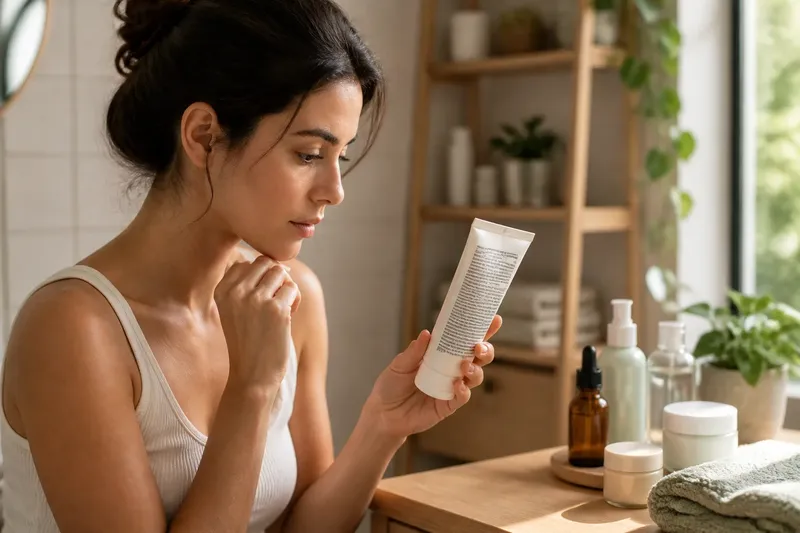
Start with the moment you actually cleanse. Do you enjoy rinsing at a sink, prefer a quick pass with a cotton pad, or dislike anything that feels slippery? These preferences are not cosmetic trivia: they shape whether a product fits your evening.
Oil cleansers are liquid and glide readily over skin. Balms begin as a firmer, buttery texture that softens as you massage it. Micellar water is a light liquid, usually applied with a reusable or disposable pad. None is automatically more thorough or more suitable for every face. Formula, use and personal comfort all matter.
Think about the next action, too. Oil and balm are generally used with water for rinsing; micellar water is commonly wiped away, though product directions differ. If you want to finish at the sink, the first two may feel natural. If you want a cleanser that asks little of your hands and works beside a basin or while travelling, micellar water may appeal.
Which format fits your usual evening?
When is cleansing oil the easiest fit?
Choose an oil if you like a fluid texture and want to massage cleanser across the face before rinsing. It can be a comfortable choice for loosening sunscreen or makeup, particularly if you prefer a product that spreads without a firm, buttery feel. The trade-off is that you need to be happy handling a slippery liquid and rinsing it away.
For a first try, look for a pump bottle if you find pouring from a cap fiddly. Use it according to its directions, and keep the bottle on a stable surface rather than reaching for it with wet hands. If the sensation of oil on your fingers bothers you, another format may suit better.
When does a cleansing balm make more sense?
A balm suits someone who likes a richer texture and wants to scoop or dispense a small amount, then warm it between the fingers. It can feel less prone to running than a liquid oil, which is useful if you prefer to control where the cleanser goes. The jar format can be less appealing if you dislike dipping fingers into a pot or want a very light sensation.
Use a clean, dry hand or the product’s supplied scoop, and close the container securely. A balm is not automatically more nourishing or more powerful than an oil; those impressions depend on the individual formula and how it feels on your skin.
Who tends to prefer micellar water?
Micellar water is a natural fit for someone who enjoys a quick, low-mess routine with a pad. It may suit a morning cleanse, a simple evening, or a person who does not want to massage a rich texture over the face. It can also be convenient when a sink is not close by, though it still needs to be used as directed.
The pad creates an extra consideration: wiping can feel irritating if you press hard or make repeated passes. Use a soft pad and gentle strokes rather than scrubbing. If you wear makeup or water-resistant products, check whether the particular micellar formula is intended for that use; one product’s performance should not be assumed for another.
How do oil, balm and micellar water compare?
- Texture: Oil is fluid, balm is solid or semi-solid before use, and micellar water is a thin liquid.
- Application: Oil and balm are usually massaged on; micellar water is commonly applied with a pad.
- Rinsing: Oil and balm generally lead to a rinse. Micellar water may be left on or rinsed, depending on its directions and your preference.
- Best comfort match: Choose oil for glide, balm for a cushiony feel, or micellar water for a light, wipe-on routine.
- Potential nuisance: Oil can feel slippery, balm can feel heavy or require scooping, and pad-based cleansing can involve friction.
Say you wear sunscreen and dislike dipping into jars, but enjoy rinsing your face at the sink. An invented, hypothetical situation like this points towards a pump oil: its fluid texture avoids the scoop, while the rinse suits the person’s existing habit. The expected observable result is a cleanser routine that feels easier to repeat, not a promise that one format will suit everyone.
What should you check before choosing?
Texture is a useful starting point, but a few practical details can make the decision clearer:
- Read the directions: Check whether the cleanser is intended for dry or damp skin and whether it should be rinsed.
- Consider what you wear: If you use makeup or water-resistant sunscreen, look for a product that says it is suitable for removing those products.
- Notice your hands: A pump, tube or jar may make a format easier or more annoying to use.
- Think about the sink: If rinsing is inconvenient, a wipe-on format may suit your setting better; if pads feel rough, consider a rinse-off option.
- Check how your skin responds: Stop using a product that causes persistent discomfort, and seek advice from a qualified professional for ongoing skin concerns.
- Keep the routine realistic: Choose a texture and application method you can imagine using on an ordinary tired evening, not only when you have time to spare.
Product labels and manufacturer instructions can vary, so follow the directions for the formula you choose. If you are managing a skin condition or repeated reactions, a dermatologist or other qualified professional can help you decide what is appropriate.
Can you use a first cleanser without adding another one?
Does micellar water need to be rinsed off?
Some products are designed to be left on, while others may be more comfortable rinsed away. Follow the label, and pay attention to how your skin feels rather than assuming every micellar water works the same way.
Can oil or balm remove sunscreen?
Some formulas are made to remove sunscreen, but suitability varies. Check the product description for the kind of sunscreen or makeup you use, then see whether the cleansing experience feels comfortable in your routine.
Should you use a second cleanser afterwards?
Not everyone needs a second cleanser. If one product leaves your skin feeling comfortable and clean, adding another step may be unnecessary; if residue bothers you, adjust according to the product directions and your own response.
What if the first texture feels wrong?
Switching formats is a sensible option, not a failure. If oil feels too slick, try a balm or micellar water; if wiping feels abrasive or a balm feels cumbersome, consider a different application style.
How can you make the choice without overthinking it?
Pick the format that best matches your preferred action: massage and rinse for oil or balm, or apply gently with a pad for micellar water. Then choose a product whose directions match the way you want to cleanse and the makeup or sunscreen you wear.
If you remain undecided, start with the texture you already know you tolerate in personal-care products. A first cleanser does not need to become a beauty project. The useful choice is the one that makes cleansing feel straightforward enough to keep in your routine.
For a first cleanser, oil, balm or micellar water is a decision about feel as much as function. Keep the main search phrase in mind—choosing a first cleanser format—and let the choice reflect your hands, your sink and your ordinary evening. A comfortable routine is easier to maintain than a supposedly perfect one.